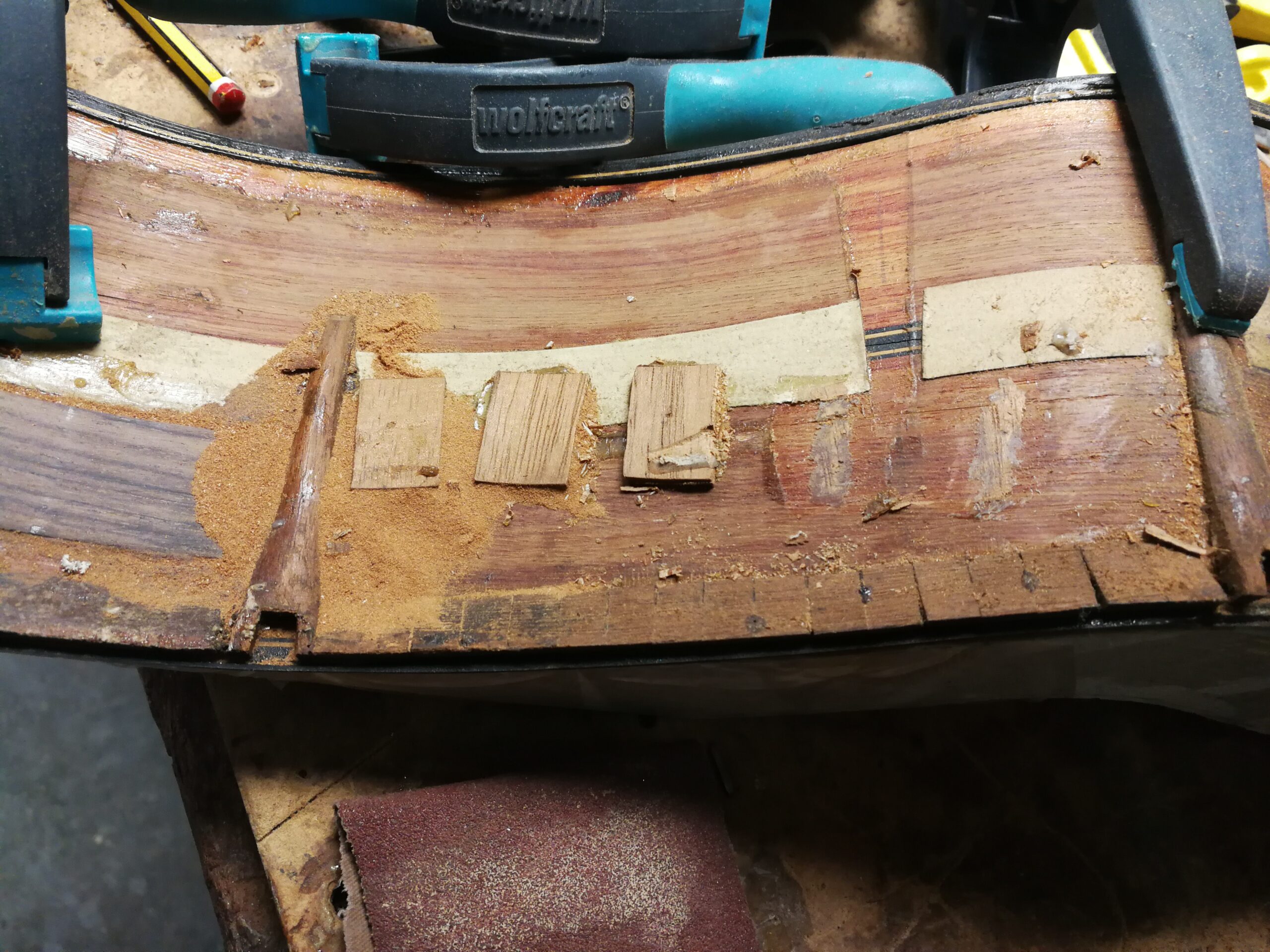
Learning from those who built before us
Restoration of collectible flamenco guitars
Every instrument requires an understanding of how it was built, the transformations it has undergone and which aspects of its present condition truly belong to its history.
“I consider a restoration successful when the original guitar is the only thing that remains visible.”
Francisco SánchezWorking approach
Preserving the instrument and restoring its function
Before intervening in a guitar, I carry out a complete reading of its structure, woods, joints, deformations and the repairs accumulated over time.
The aim is not to return it to an idealised appearance or erase the traces of its history, but to restore its stability, function and coherence while preserving as much original material as possible.
Every technique, material and procedure must become part of the instrument without competing with it.
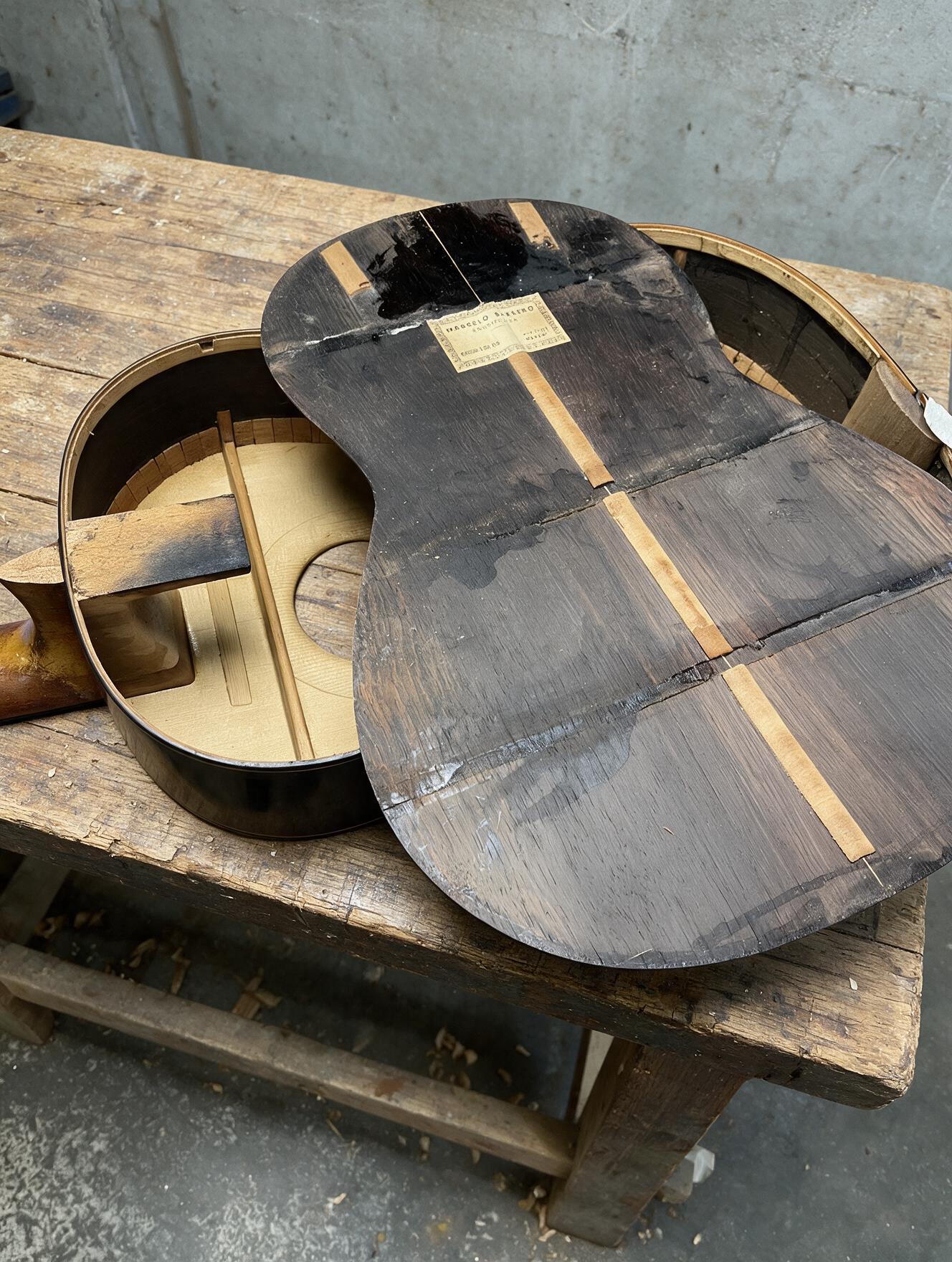
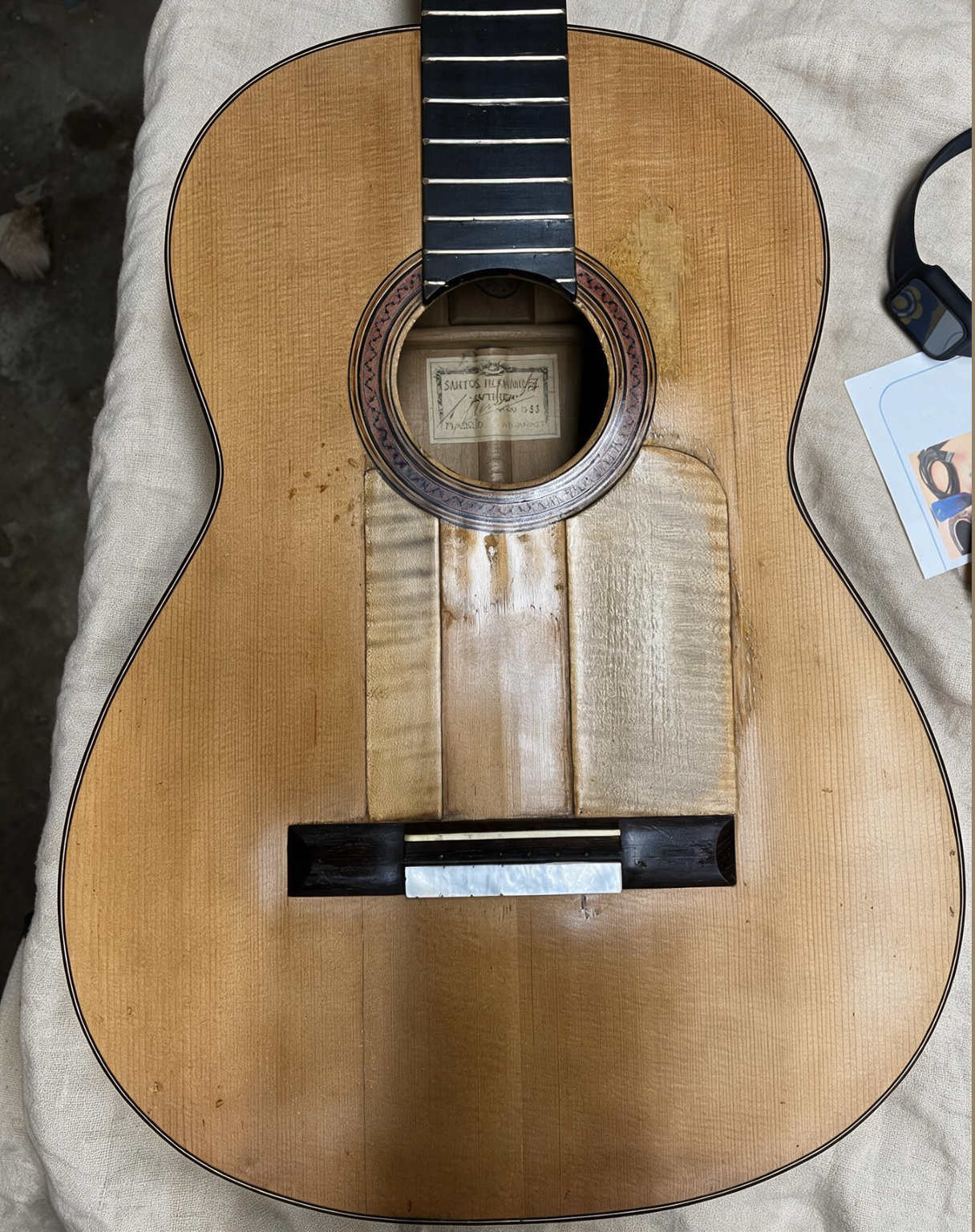
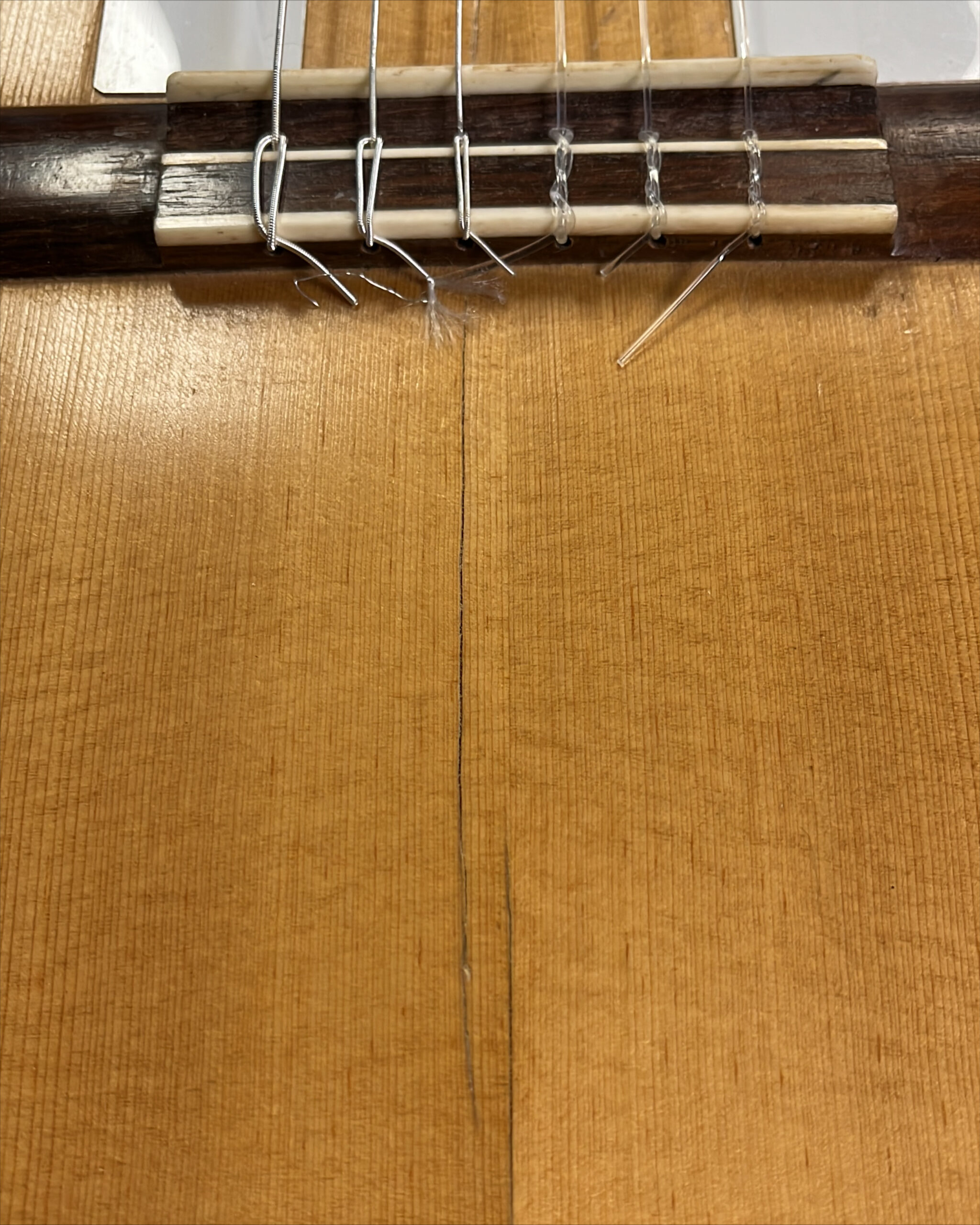
Restoration archive
Historic guitars that have passed through the workshop
Each case documents a different way of reading the instrument and deciding how far an intervention should go.
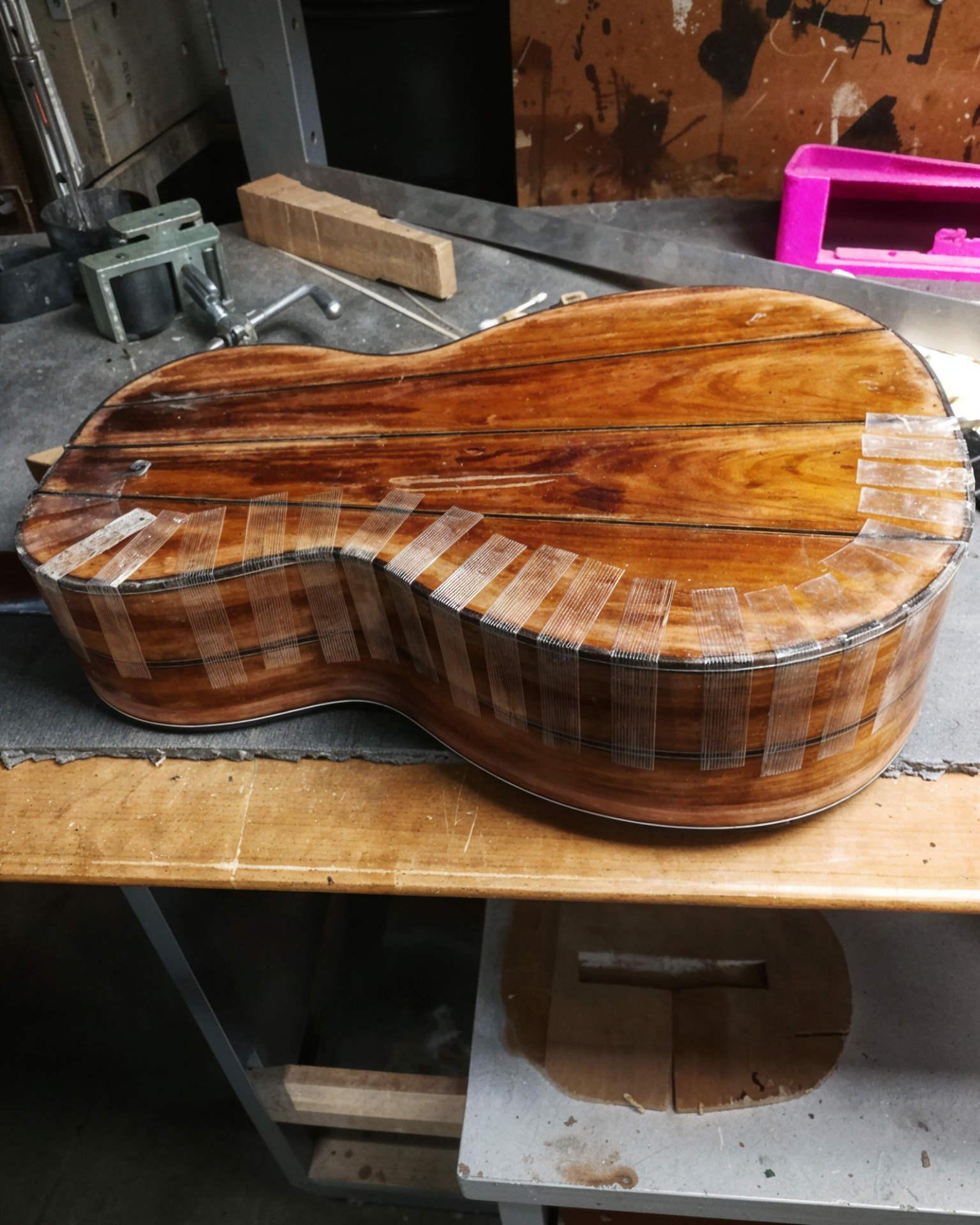 1856Pablo del Hierro View restoration ↗
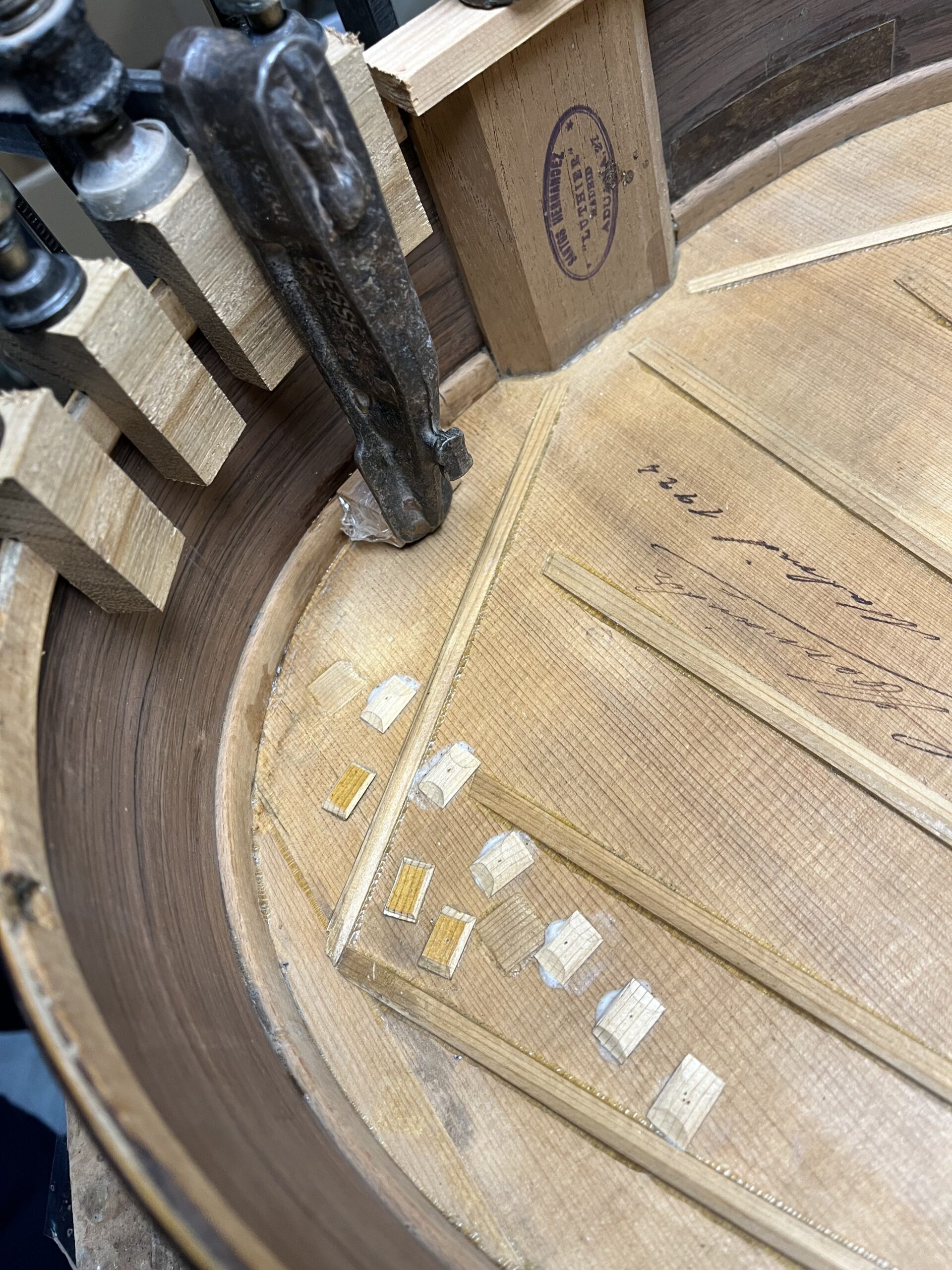 1924Santos Hernández View restoration ↗
1933Santos Hernández View restoration ↗
1945Marcelo Barbero View restoration ↗
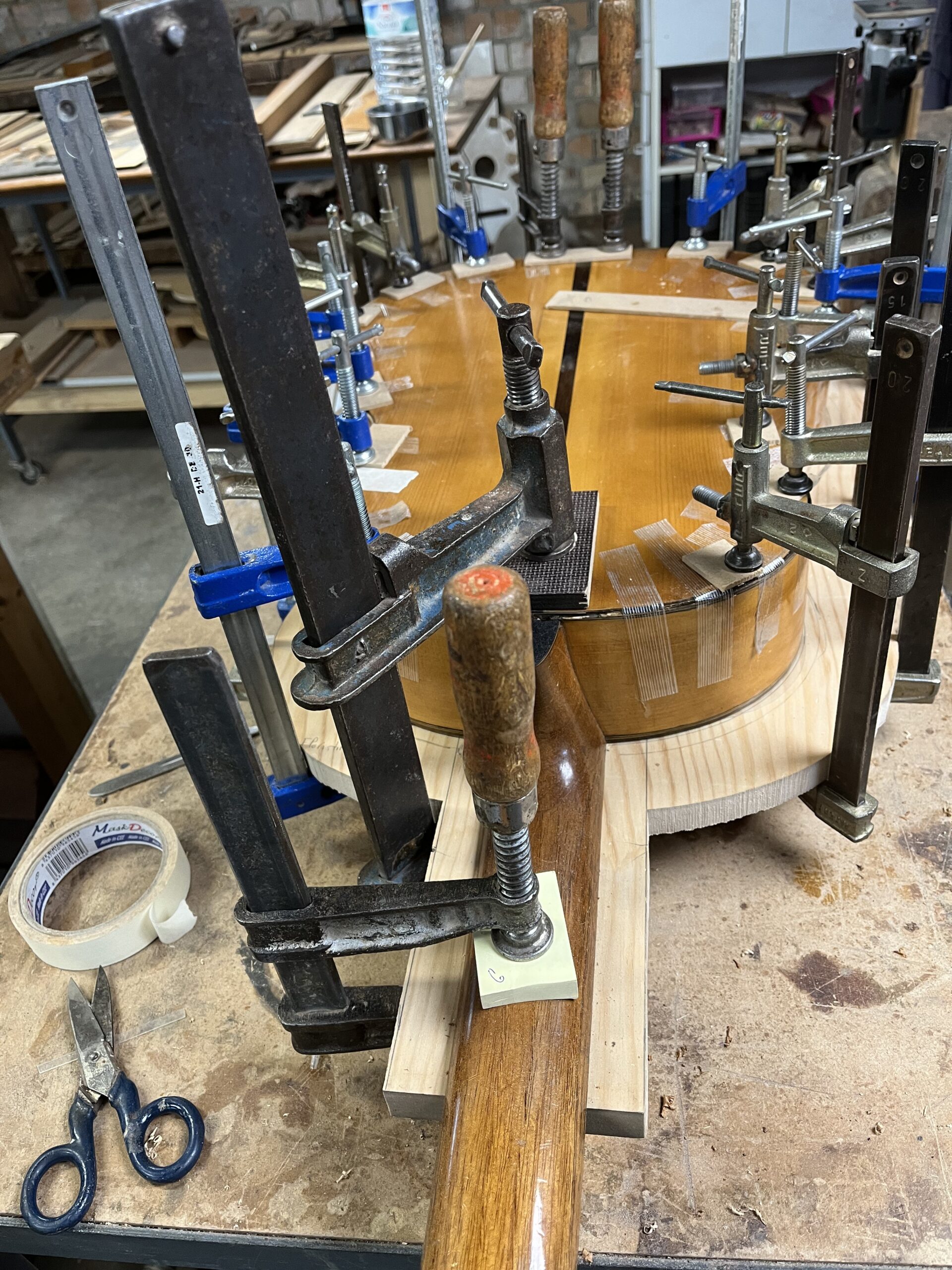 1949Marcelo Barbero View restoration ↗
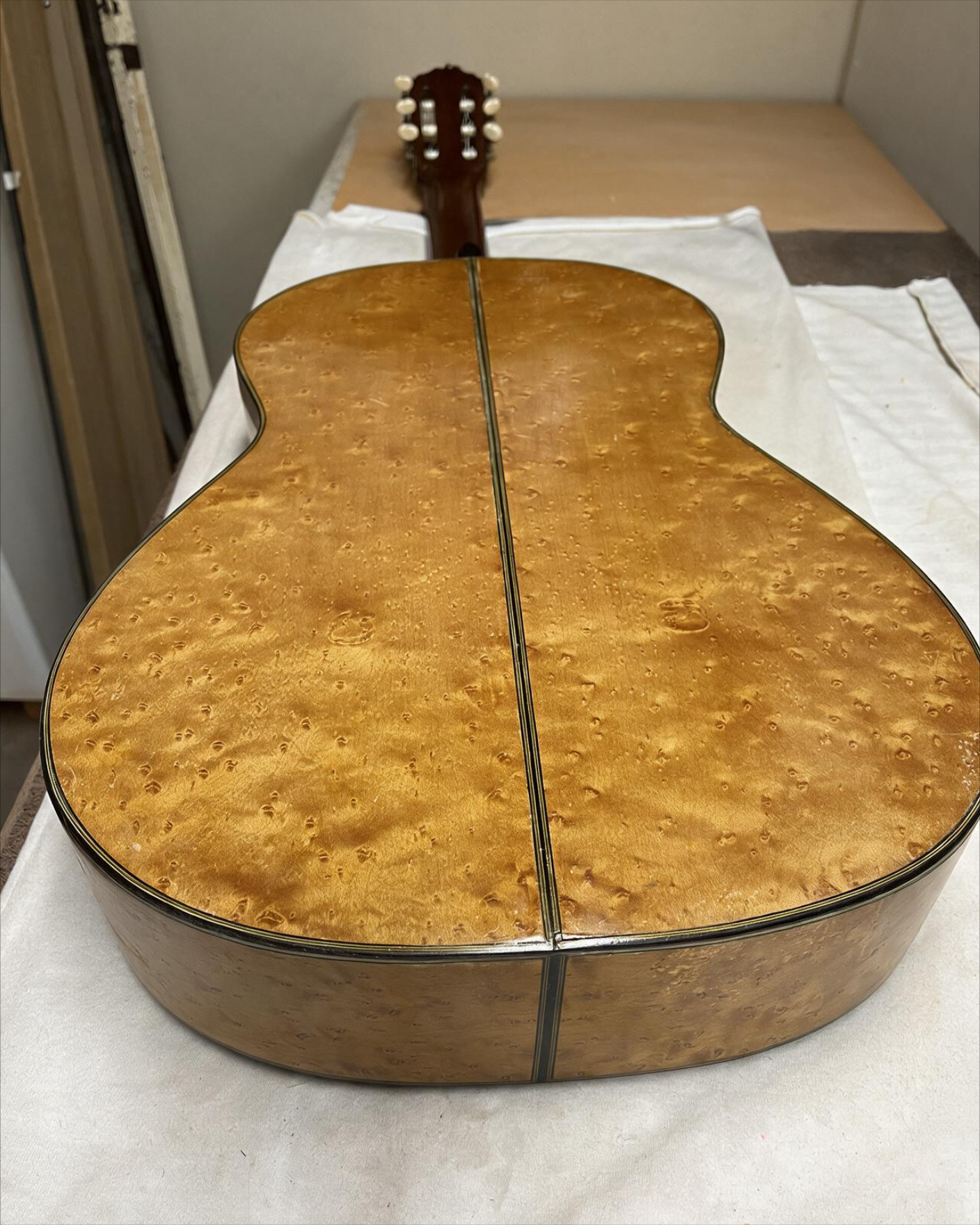 1915Manuel Ramírez View restoration ↗
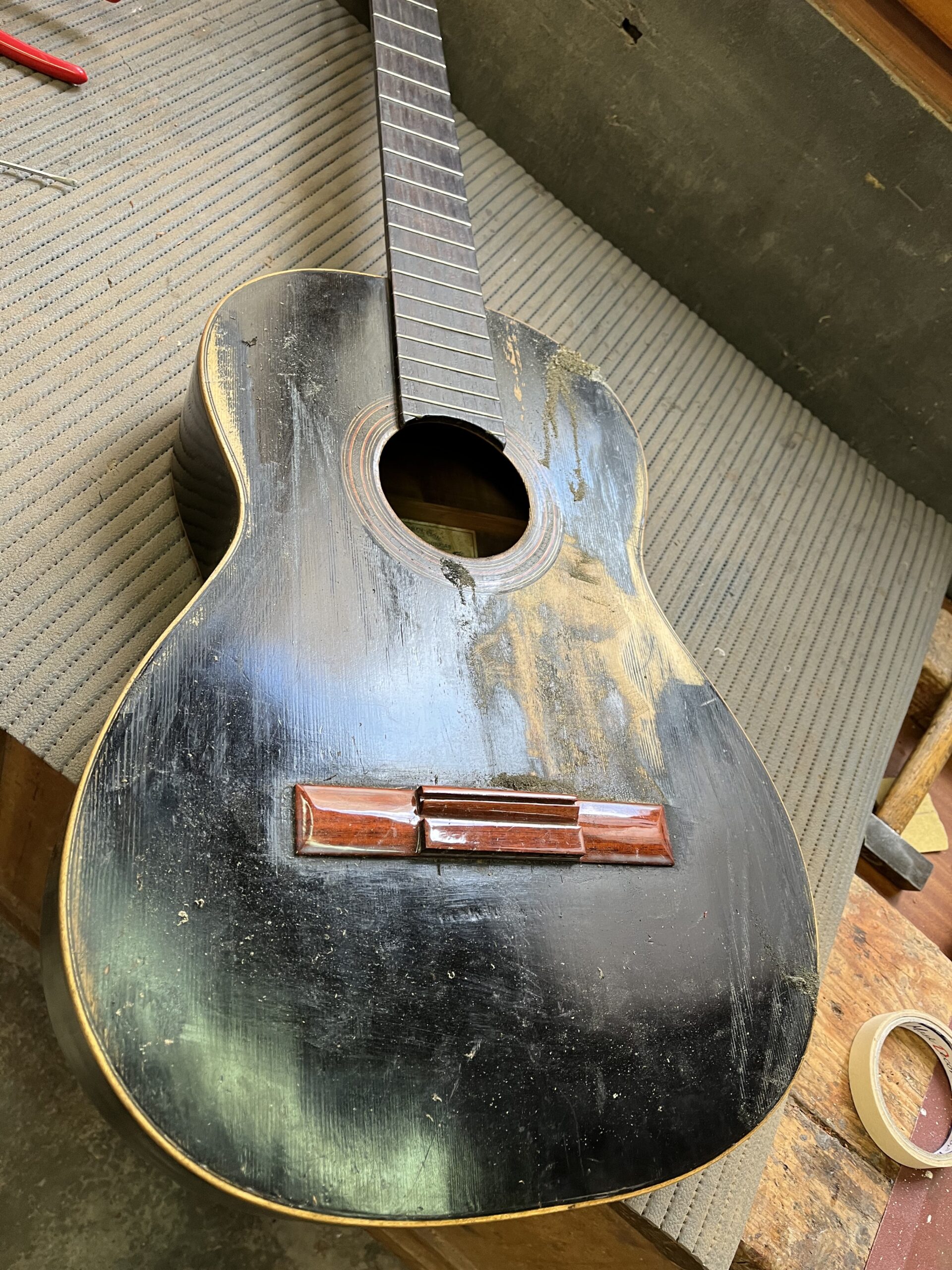 1933José Ramírez View restoration ↗
1924Domingo Esteso View restoration ↗
Swipe to explore →
Restoration enquiries
Do you have a guitar that needs to be studied?
You can send photographs and information about the instrument for an initial assessment from the workshop.
Enquire about a restoration ↗Restoring a guitar
Frequently asked questions
A few answers to help begin the conversation about an instrument that needs to be assessed.
What type of guitars does Francisco Sánchez restore?+
He restores historical Spanish guitars, flamenco guitars and collector’s instruments, studying each one before deciding how to intervene.
How do I know whether my guitar needs restoration?+
Cracks, deformation, loose joints, structural problems or difficulty playing the instrument can call for an assessment. Francisco reviews its condition and proposes an appropriate scope of work.
Can restoration affect a guitar’s historical value?+
The guiding principle is to retain as much original material as possible and respect the instrument’s history. Every intervention is planned to recover function without erasing what makes it unique.
Can a very damaged guitar be restored?+
That depends on its state of preservation and on the original parts that remain. Before intervening, Francisco studies what can be recovered and which limits should be respected.
Can cracks, sunken soundboards, or damaged backs and sides be repaired?+
Yes. These are some of the issues that may appear in older instruments. Each case requires a specific reading of the structure and materials.
Can the guitar be returned to playing condition without losing its character?+
Recovering musical function is one goal of restoration, provided it is compatible with preserving the instrument and its original condition.
Do I need to bring the guitar to the workshop in Estepa?+
Not always. Francisco works with instruments from different places. Delivery and transport arrangements are agreed according to the case, the instrument and the destination.
How is a restoration assessed before work begins?+
Francisco needs to examine the instrument and understand its condition. From there, he can explain the work required, its priorities and the approach to the intervention.
Can a guitar be insured for transport to the workshop?+
Packing, transport and insurance arrangements are considered individually according to the instrument, its value and the journey.